

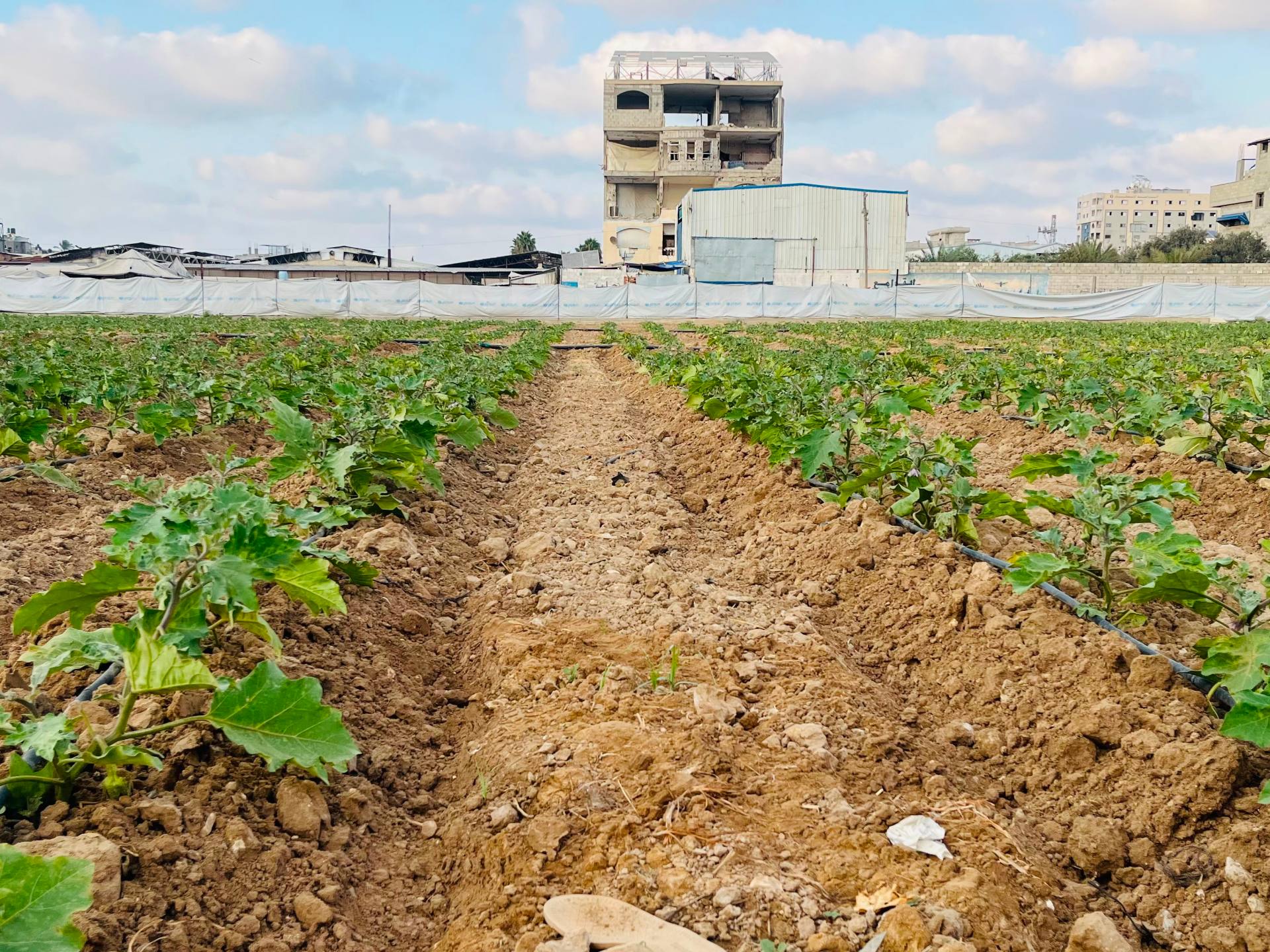
Kathmandu— Mohammad al-Halabi, a 50-year-old farmer from the Nuseirat refugee camp in central Gaza, carefully tends to tomato and eggplant seedlings on a small, 300-square-meter plot of land—a lifeline for him and his family after losing their 10-acre farm in Jabalia earlier this year. The destruction of agricultural lands across Gaza has been extensive, but farmers like al-Halabi are attempting to rebuild through rented plots and small projects, seeking to reclaim their profession and provide for their families amidst ongoing challenges.
Widespread Destruction of Farmland
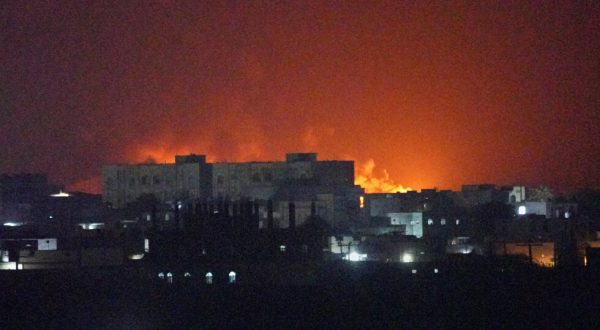
Data from Gaza’s Government Media Office reveals the devastating impact on the agricultural sector: more than 87 percent of Gaza’s agricultural land has been destroyed. Approximately 8,700 agricultural wells have been rendered unusable, and nearly 8,000 livestock farms have been demolished. Greenhouse damage exceeds 87 percent, causing annual vegetable and fruit production to plummet from around 524,000 tonnes to a mere 20,000 tonnes. Naser Deeb, director-general of the Agricultural Extension at Gaza’s Ministry of Agriculture, explained that the damage isn't limited to crops but extends to vital resources like water sources and irrigation networks.
Farmers Forced to Adapt
Mohammad al-Halabi’s farmland in Jabalia was bulldozed by Israeli forces in February 2024, leaving it covered in rubble and remnants of war. He now focuses on his small rented plot in Nuseirat, growing what little he can for his family. “Agriculture is my profession,” al-Halabi said. “Even after being displaced, I couldn’t leave it.” Similarly, Mohammad Abdul Naser Hassan al-Jadba lost access to his farmland due to the presence of the “Yellow Line” – a boundary established by Israeli forces—making it too dangerous to cultivate. He has since established a nursery and greenhouse in Deir el-Balah.
Small Projects Offer Hope
Al-Jadba received funding from a Belgian development fund, enabling him to build his greenhouse and purchase necessary supplies. This project has allowed him to earn approximately 3,000 shekels ($1,015) per month and employ two previously unemployed farmers. “For me, this project was not just agricultural support,” al-Jadba said. “It was a real opportunity to return to work, regain my source of income and become self-reliant again.” While the small plot provides only enough produce for his family, Al-Halabi finds solace in continuing his life’s work: “When I see the plant growing and producing a fruit, I feel that I can still farm,” he said.
Rehabilitation Challenges Remain
Despite these efforts, significant challenges remain. Deeb emphasized that even if farmers regain access to their land, extensive rehabilitation is required before cultivation can resume. “The soil needs to be rehabilitated, water sources and irrigation systems repaired, and seeds, fertilisers and equipment provided,” he said. The impact of the damage extends beyond individual farmers, affecting food availability across Gaza and hindering efforts to restore livelihoods.
Farmers continue to rely on small-scale projects and external aid as they navigate the challenges of rebuilding their lives and restoring agricultural production in Gaza.
(With inputs from Al Jazeera)
Originally published on abcnews.com.np.
प्रतिक्रिया दिनुहोस्