

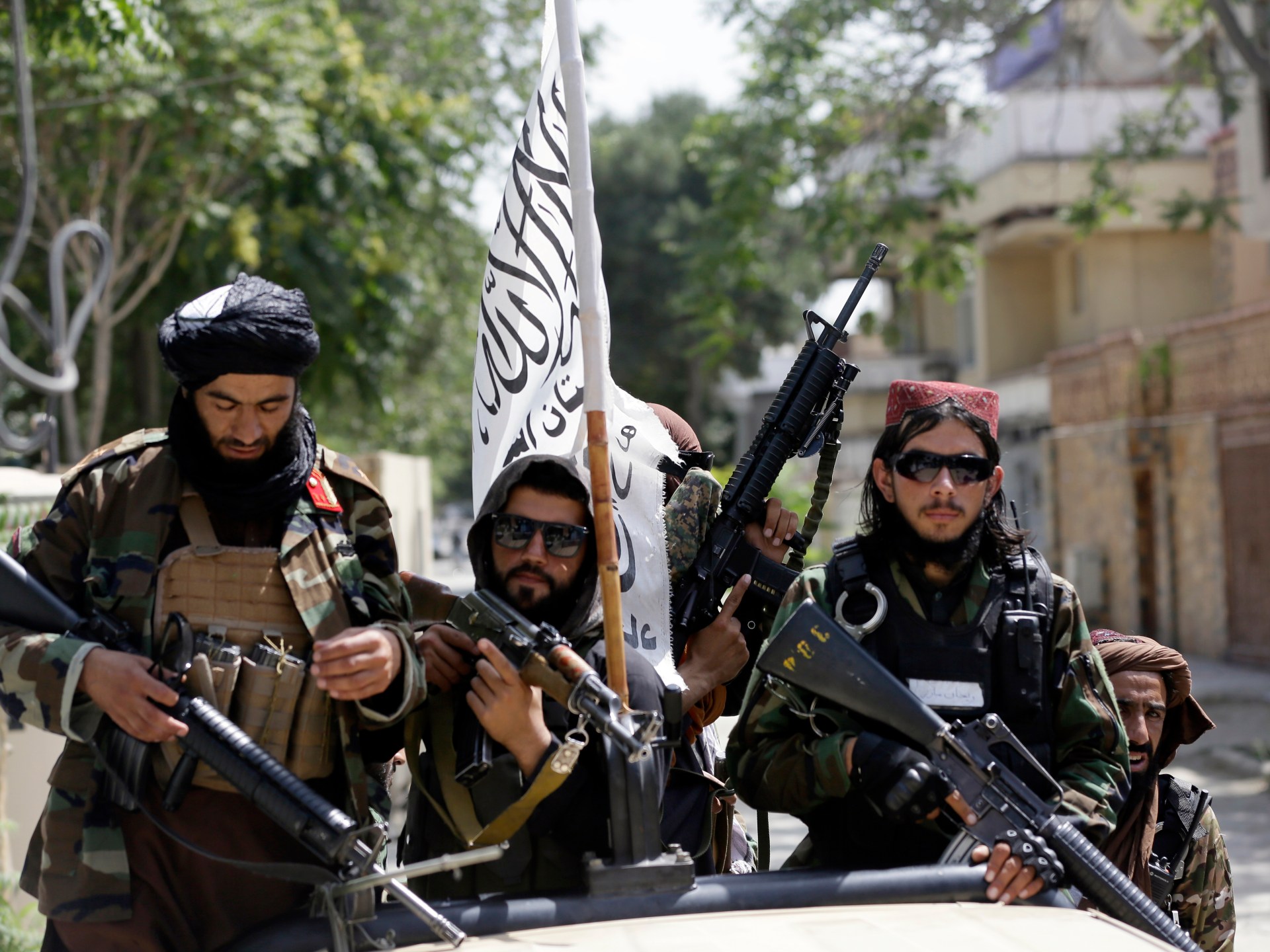
Kathmandu— Five years ago this month, the Taliban entered Kabul following the withdrawal of US and international troops from Afghanistan, a moment marked by chaos and violence that left nearly 200 Afghans dead. Today, the city presents a stark contrast – cleaner, calmer, and rebuilding after decades of conflict. While the Taliban have successfully consolidated control and brought relative stability to a country long plagued by insecurity, their governance is increasingly challenged by social restrictions, economic hardship, and international isolation.
Consolidating Control And Security
One of the key failings of the Taliban’s first rule in the late 1990s was its inability to control all of Afghanistan, leaving pockets of resistance that later served as bases for opposition. This time, the Taliban appear determined not to repeat those mistakes, currently controlling the entirety of the country and maintaining a level of security previously unseen. Despite the ongoing threat from groups like the Islamic State – Khorasan Province (ISKP), the Taliban have significantly weakened insurgent activity, allowing Afghans to travel more freely within their own nation.
Economic Resilience Amidst Challenges
Afghanistan’s economy was heavily reliant on international aid for two decades prior to the Taliban's return, a system undermined by corruption and insecurity. The abrupt halt in foreign assistance following the 2021 takeover inevitably created significant economic hardship. However, the Taliban have managed to keep the Afghan economy functioning despite this shock, reaching what appears to be a low equilibrium. Improved security has facilitated increased economic activity, including natural resource extraction, while remittances from Afghans abroad and returning refugees provide crucial capital. The government is also pursuing infrastructure projects like the Qosh Tepa Canal and the TAPI gas pipeline, offering hope for future development.
Social Policies Fueling Alienation
The Taliban’s most significant failures lie in its social policies, particularly regarding women and girls. Successive decrees have imposed increasingly restrictive measures, solidifying Afghanistan's position as a global outlier in terms of gender exclusion. The inability of Afghan girls and women to access education beyond the sixth grade is both a societal shame and an economic loss, creating shortages of female professionals like doctors and teachers. This contradiction – arguing safety concerns while simultaneously hindering the training needed for essential jobs – highlights the growing disconnect between the government and its population. Furthermore, increased moral policing extends state control into private life, deepening this divide.
Governance And International Isolation
The Taliban have also struggled to build an inclusive government, even within their own ranks, with Supreme Leader Hibatullah Akhundzada centralizing power and sidelining prominent figures who participated in the Doha agreement. This concentration of authority has hampered governance and allowed a narrow vision to dominate decision-making. Internationally, the Taliban have failed to achieve widespread recognition, despite some engagement from neighboring and European countries. Formal recognition remains elusive as long as restrictions on women’s education and rights persist, leaving Afghanistan largely isolated from the international community.
While currently maintaining a firm grip on power, the Taliban face growing public discontent that could threaten their stability in the long term. The fundamental question of what kind of state they intend to build remains unanswered, and addressing both economic hardship and social restrictions will be crucial for preventing further alienation.
(With inputs from Al Jazeera)
Originally published on abcnews.com.np.



प्रतिक्रिया दिनुहोस्