

Kathmandu— The global burden of non-communicable diseases (NCDs) – conditions not typically passed from person to person – is rapidly increasing, becoming a leading cause of illness and death. These diseases are strongly linked to unhealthy lifestyle choices including tobacco use, poor diet, excessive alcohol consumption, and crucially, physical inactivity. While many NCDs like heart disease, diabetes, obesity, and certain cancers can be prevented or delayed through healthier habits, physical inactivity is often an overlooked contributing factor, representing a modifiable risk that demands attention.
The Modern Sedentary Lifestyle
Modern technology, while simplifying daily life, has inadvertently decreased opportunities for physical activity. People now spend extended periods sitting at desks or engaging with screens, as computers and convenient transportation options replace physically demanding tasks. This shift isn’t merely a personal choice; the consequences of widespread inactivity extend far beyond individual health.
The Body's Need for Movement
The human body is fundamentally designed for movement. Regular physical activity strengthens vital systems – the heart, muscles, and bones – improves circulation, helps maintain a healthy weight, and contributes to mental well-being. Prolonged inactivity leads to deterioration of these benefits, contributing to weight gain, increased blood pressure, elevated blood sugar levels, and unhealthy cholesterol—all strong associations with NCDs like diabetes and heart disease.
Impact on Specific Diseases
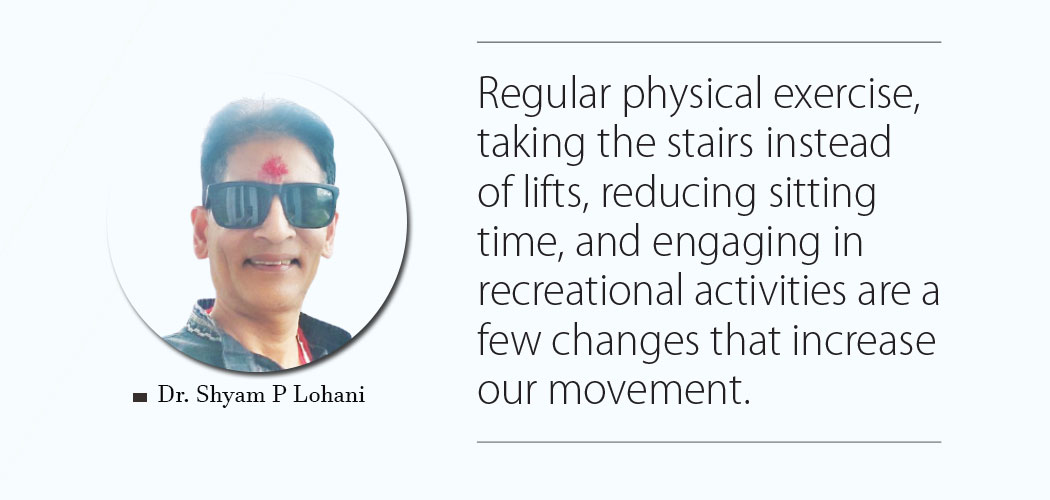
The connection between physical inactivity and obesity is well-established; modern lifestyles often involve consuming more calories while expending less energy. This imbalance contributes to weight gain over time, increasing the risk of numerous non-communicable diseases. Similarly, regular movement demonstrably improves heart health by reducing cardiovascular risk factors like hypertension and abnormal cholesterol. Even simple activities such as walking, cycling, or taking the stairs can have a significant impact.
Addressing Inactivity Across Lifespans
Increasingly, physical inactivity is observed among children and adolescents who spend considerable time sitting in classrooms, using computers, watching television, and playing video games. Limited opportunities for outdoor activities and physical education exacerbate this trend. Because habits formed in childhood often persist into adulthood, promoting physical activity requires a multi-faceted approach involving families, schools, communities, and governments.
Workplace and Urban Planning Interventions
Beyond individual responsibility, workplaces can play a crucial role by encouraging staff to take intermittent breaks, utilize standing workstations, and consider active commuting options. These programs benefit both employees’ health and organizational productivity. Furthermore, governments should prioritize creating physical environments that promote activity—safe sidewalks, bicycle lanes, parks, and recreational areas—integrating health considerations into urban planning alongside economic development.
A Public Health Imperative
Physical inactivity is not simply a matter of laziness or fitness; it’s a significant public health issue with far-reaching consequences. As urbanization and technological dependence increase, the potential for widespread sedentary behavior grows. Addressing this requires improvements in physical environments, targeted awareness campaigns, and comprehensive physical education programs beginning in early childhood.
Preventing NCDs is multifaceted, but encouraging people to be physically active remains one of the simplest and most powerful strategies for improving health and quality of life.
(With inputs from RN)
Originally published on abcnews.com.np.






प्रतिक्रिया दिनुहोस्