

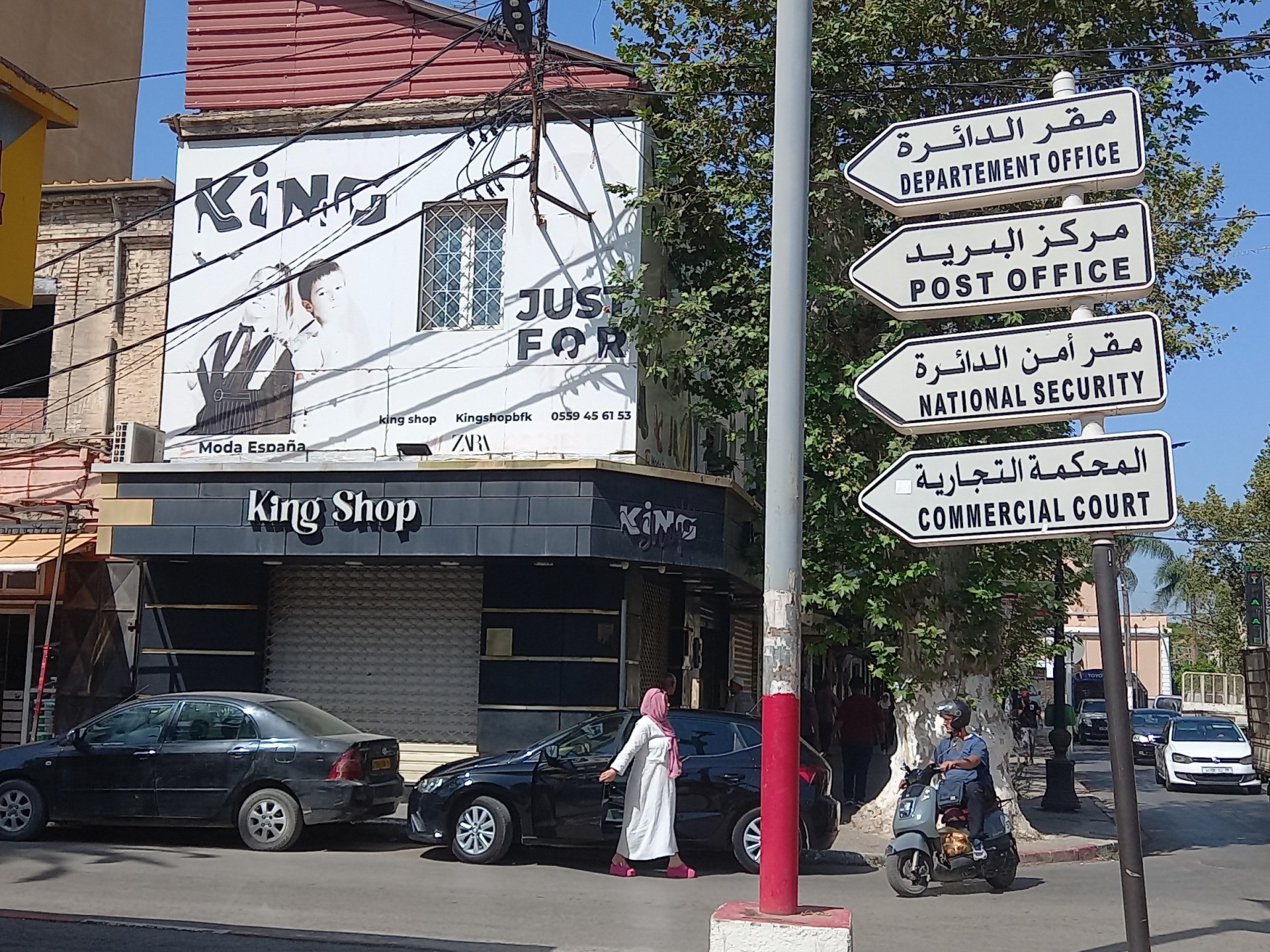
Kathmandu— Algeria is taking definitive steps to distance itself from its former colonial ruler France by prioritizing English over French in its education system. Starting in the academic year 2026-2027, third-year primary school students will begin learning English as their first foreign language, pushing French back to fourth grade and ending decades of linguistic dominance. This move is part of a broader overhaul initiated by President Abdelmadjid Tebboune in 2022, extending to higher education and government services, and comes amid escalating diplomatic tensions between Algeria and France.
A Decades-Long Linguistic Debate
For years, French held a prominent position in Algerian society despite the country’s independence from France in 1962. While Arabic is the national language, French remained prevalent in government, education, and professional life. Ahmed Krim, a retired English teacher, noted that while French was the language of Algeria's colonizer, it continued to be present in dialogue for six decades after independence. The shift towards prioritizing English represents a culmination of long-standing debates about linguistic identity and decolonization.
Diplomatic Tensions Fuel Policy Change
The decision to prioritize English has been accelerated by a worsening diplomatic crisis between Algeria and France. In July 2024, French President Emmanuel Macron publicly supported Morocco’s claim over Western Sahara, a move that deeply offended Algeria, which supports the Sahrawi Polisario Front and hosts Sahrawi refugees. This led to the expulsion of diplomats from both countries and fueled Algeria's desire to break away from France’s influence.
Challenges in Implementation
While many welcome the change, concerns remain about the practicalities of implementation. Experts point to a potential shortage of qualified English teachers and the need for updated curricula. Krim emphasizes the importance of restoring specialized teacher training centers and ensuring that educators are passionate about teaching. Rafik Laceb, a lecturer at Mouloud Mammeri University, cautions against rushing the introduction of English in university settings, highlighting issues with contact hours and student assessment.
Leveling the Educational Playing Field
The reforms aim to address inequalities in educational opportunities. Currently, children in private schools often begin learning multiple languages from kindergarten, while those in public schools do not receive the same exposure until later years. Djamel Merah, a parent whose daughter transferred from private to public school, welcomes the move as a way to provide more children with access to English language education. Bookseller Krimo Taleb has also observed growing demand for English-language books among young readers.
A Regional Trend
Algeria’s shift away from French is part of a broader trend in former French colonies, particularly in Africa. Mali, Niger, and Burkina Faso have all taken steps to reduce the influence of French, including withdrawing from the International Organisation of La Francophonie (OIF) and promoting national languages. Noureddine Bessadi notes that these moves reflect a desire to assert linguistic and cultural independence after decades of colonial legacy.
The success of Algeria’s language reforms will depend on sustained investment in teacher training, curriculum development, and resources. The government is reportedly recruiting 15,000 English teachers for primary schools, signaling its commitment to the overhaul.
(With inputs from Al Jazeera)
Originally published on abcnews.com.np.


प्रतिक्रिया दिनुहोस्