

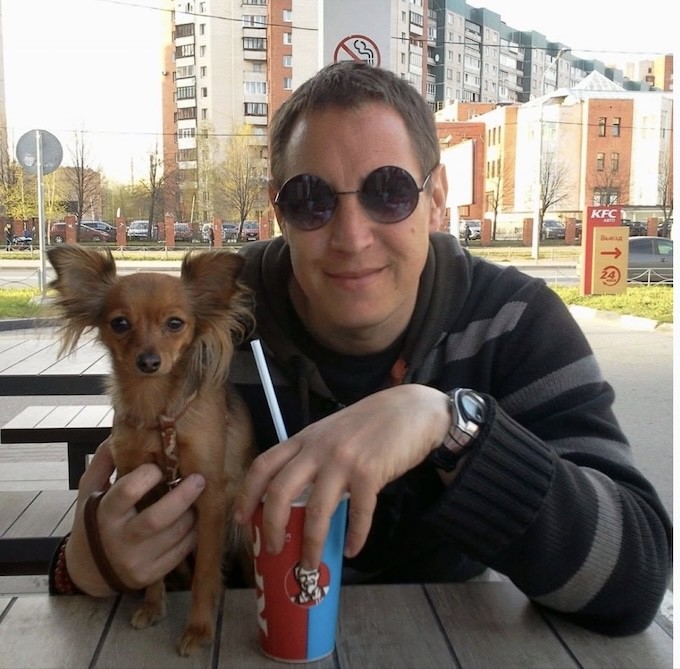
Kathmandu— Historian Artyom Kirpichenok, a Russian-Israeli citizen, was detained by Israel’s Shin Bet security service upon arrival at Ben Gurion Airport in Tel Aviv on August 2nd. He had traveled from Yerevan, Armenia intending to attend a conference but has since been held without charge and subjected to what his lawyer describes as violent interrogation tactics, including sleep deprivation and threats. The detention appears linked not to Kirpichenok’s travel history, but to his vocal criticism of Israel's policies toward Palestinians, adding to a growing pattern of intimidation targeting dissent within the country.
Details of Kirpichenok’s Detention
Kirpichenok’s friends lost contact with him immediately after he landed in Israel. Confirmation of his detention came from Russia's Ambassador to Israel, Anatoly Viktorov, and former State Duma representative Daria Mitina. For three weeks, Kirpichenok was denied access to legal counsel. When lawyer Inna Lebedinskaya-Katz finally met with him on August 23rd at a Shabak detention center in Petah Tikva, she described his condition as ‘exhausted, tormented, and deeply depressed.’
Lebedinskaya-Katz reported that Kirpichenok detailed being interrogated for eighteen to twenty-four hour stretches by rotating agents. He is reportedly kept handcuffed to an iron stool welded to the floor, denied sleep with constant lighting, and subjected to threats including claims he has been abandoned by friends and faces life imprisonment. The lawyer was prohibited from taking notes during the meeting and forced to rely on her memory.
Pattern of Intimidation Targeting Critics
The detention of Kirpichenok is occurring within a broader context of increased scrutiny and intimidation of those critical of Israeli policy. Since October 2023, Shabak has reportedly summoned at least twenty Israeli protestors for interrogation regarding their protests and social media posts. However, the vast majority of such investigations – approximately 96% – target Palestinian citizens of Israel or residents of occupied East Jerusalem.
Adalah, an Israeli legal and human rights organization, documented 251 arrests, interrogations, or ‘warning talks’ with Palestinian citizens in the first five weeks following October 7th. These actions often center on social media activity or participation in demonstrations. The group stresses that its count is incomplete, excluding cases from occupied East Jerusalem.
Allegations of Abuse and Unlawful Practices
Reports detail a disturbing pattern of abuse during interrogations of Palestinians. Cases include the detention of Diaa al-Kahlout, a Gaza bureau chief for Al-Araby Al-Jadeed, who was stripped, bound, beaten, and interrogated about alleged connections to Hamas. Imad al-Ifranji, a Gaza editor for al-Quds newspaper, was held for 572 days and subjected to violent interrogation regarding a past interview with a Hamas leader.
Shabak is accused of exceeding its security mandate by treating lawful Palestinian speech and journalism as potential terrorism. Individuals are summoned for ‘warning conversations’ without being informed they are not legally obligated to attend, and interrogations often involve questioning about social media posts, religious beliefs, and political affiliations accompanied by threats of home raids or deportation.
Kirpichenok remains in detention with no public confirmation of charges against him. His case highlights a growing concern that Israel is expanding its definition of security threats to include any form of criticism towards its policies.
(With inputs from CounterPunch)
Originally published on abcnews.com.np.


प्रतिक्रिया दिनुहोस्