

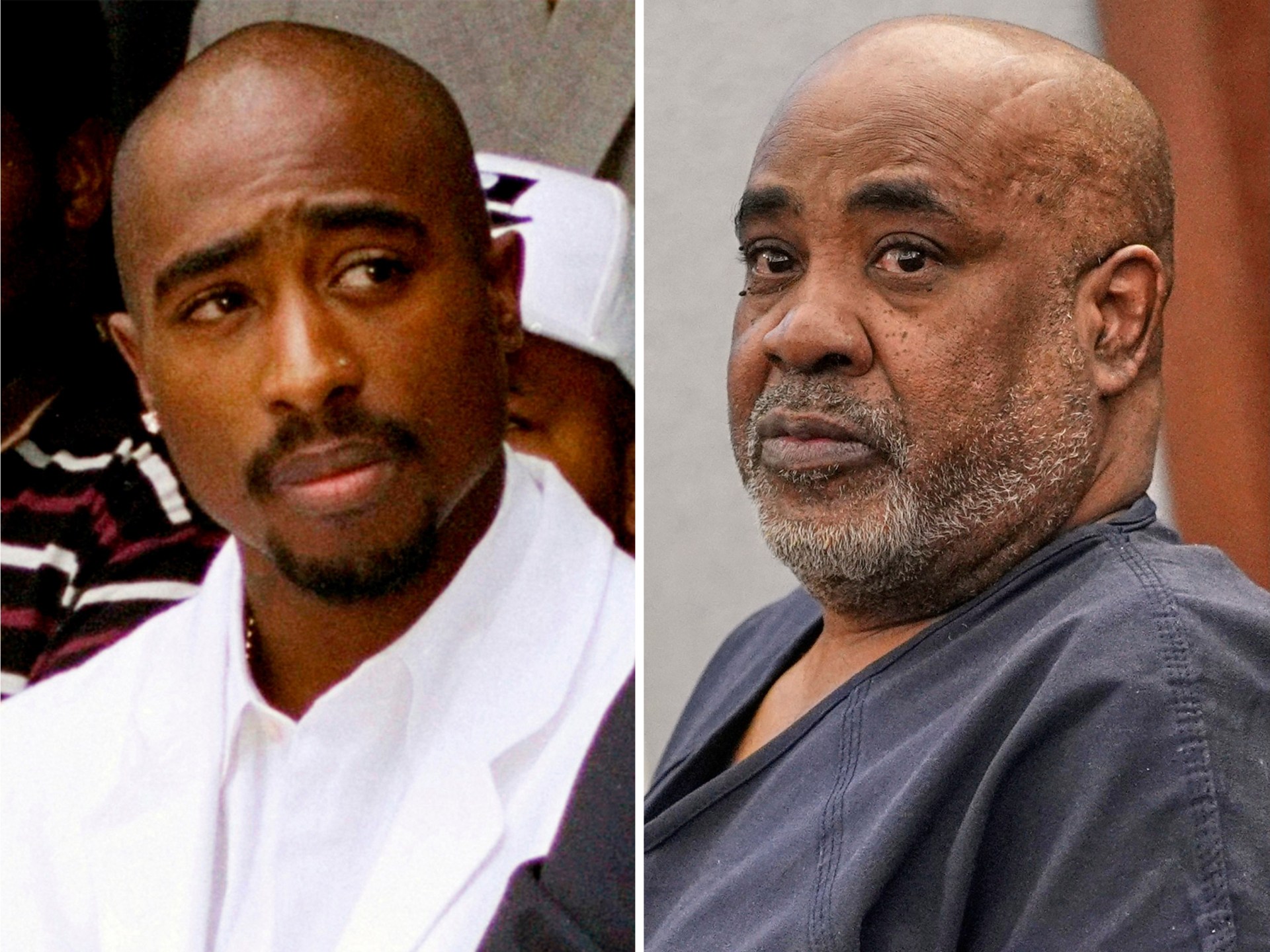
Kathmandu— Three decades after the shooting that claimed the life of hip-hop icon Tupac Shakur, Duane ‘Keffe D’ Davis, 63, is set to stand trial in Las Vegas for allegedly orchestrating the murder. The case marks the first time anyone has been prosecuted in connection with the 1996 drive-by shooting that shocked the music world and sparked years of speculation about who was responsible; prosecutors intend to prove Davis supplied the gun used in the attack, though he is not accused of firing it himself. The trial, beginning Monday, hinges on Davis’s own detailed account of events as outlined in his 2019 memoir and subsequent interviews.
Tupac Shakur's Rise to Fame
Tupac Amaru Shakur, known professionally as Tupac or 2Pac, rose to prominence as a California-based rapper during the 1990s. He released multiple albums that topped the Billboard charts both during his lifetime and posthumously. His music often reflected his experiences with violence and gang life in California, while also exploring themes of love, romance, civil rights, racism, and police brutality. Later in his career, Tupac signed with Death Row Records, a move that significantly influenced his musical direction.
The Night of the Shooting
Hours before he was shot, Tupac and Death Row Records founder Marion ‘Suge’ Knight were involved in an altercation at the MGM Grand following a Mike Tyson boxing match. The individuals they fought with included Orlando ‘Baby Lane’ Anderson, Davis’s nephew. Shortly after, while en route to a club for a performance, Tupac was struck by six bullets fired from a white Cadillac. Authorities say Davis was one of four men in that vehicle; the other three – including Anderson – have since died, and neither the car nor the weapon used in the shooting has been recovered.
Davis’s Confession and Arrest
Duane ‘Keffe D’ Davis is a former leader of the South Side Compton Crips gang, which had a long-standing rivalry with the Mob Piru gang – the affiliation of Tupac and Knight. The current trial stems directly from Davis's 2019 memoir, *Compton Street Legend*, in which he details how he sought out Shakur and Knight following the fight at the MGM Grand. He wrote about acquiring a gun and joining three others in a Cadillac to search for the pair, ultimately opening fire on their vehicle. In interviews since publishing his book, Davis has provided further detailed accounts of the night, though he has not identified who fired the fatal shots.
The Prosecution’s Strategy
Prosecutors aim to prove that Davis orchestrated Tupac's murder by supplying the weapon, even if he didn't pull the trigger himself. The trial is expected to last four to six weeks and will heavily rely on Davis’s own admissions in his memoir and interviews; attempts by the defense to exclude this evidence have been unsuccessful. They anticipate calling 35-45 witnesses, including police officers, technical experts, and associates of both Tupac and Davis. Suge Knight, currently serving a prison sentence for unrelated charges, is on the witness list but has indicated he does not wish to participate.
The outcome of the trial will depend on whether the jury believes Davis’s claims were truthful or fabricated, as his defense argues.
(With inputs from Al Jazeera)
Originally published on abcnews.com.np.


प्रतिक्रिया दिनुहोस्