

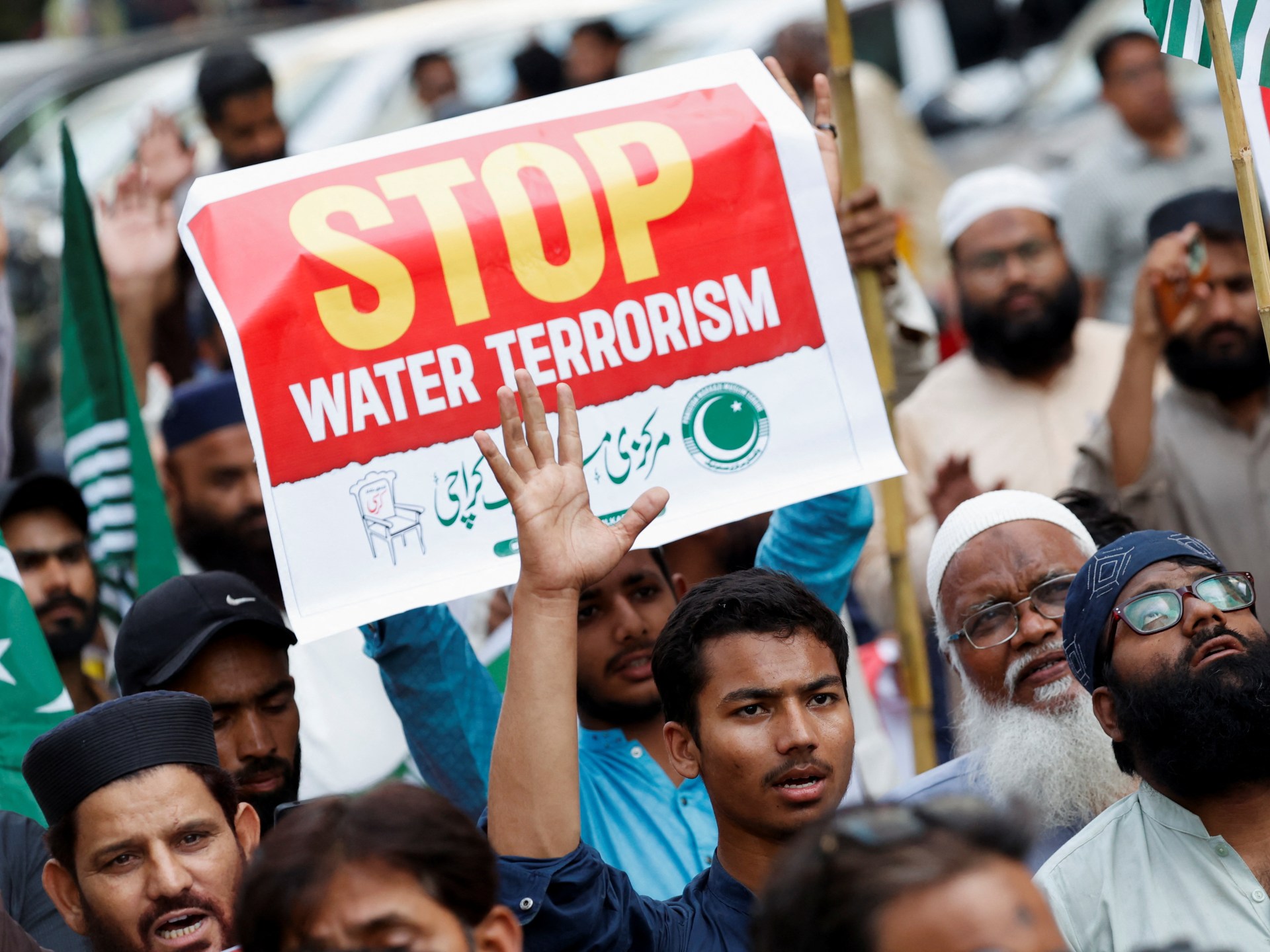
Kathmandu— India has rejected a ruling by the Permanent Court of Arbitration in The Hague, which ordered India to uphold the 1960 Indus Waters Treaty with Pakistan. The court's decision came after India suspended the treaty last year due to security concerns related to an attack in Kashmir that killed 26 people. New Delhi argues that the tribunal has no jurisdiction over its sovereign choices.
Court Ruling and Restrictions
The Permanent Court of Arbitration ruled on Monday that the Indus Waters Treaty remains fully binding and that India had no justification for ending or suspending it. The court ordered India to limit construction at the Ratle Hydro-Electric Plant in Kashmir, prohibiting work on the dam wall and power intake structure above certain levels until 90 days after a World Bank-appointed neutral expert delivers a decision by July 2027.
Indian Ministry's Response
The Indian Ministry of External Affairs categorically rejected the court’s verdict, stating that India does not recognize the tribunal and its pronouncements will have no effect on India’s actions. 'This so-called Court of Arbitration has no jurisdiction whatsoever to pronounce on India’s sovereign decisions,' said a statement from the ministry.
Pakistan's Stance
Pakistan welcomed the interim measures ordered by the tribunal and stated that its government is carefully considering the details of the decision. Islamabad hopes to find a pathway back to engagement under the treaty’s binding legal obligations, following India’s expansion of hydroelectric projects in Kashmir.
(With inputs from Al Jazeera)
Originally published on abcnews.com.np.




प्रतिक्रिया दिनुहोस्